
 By loan etmthml5game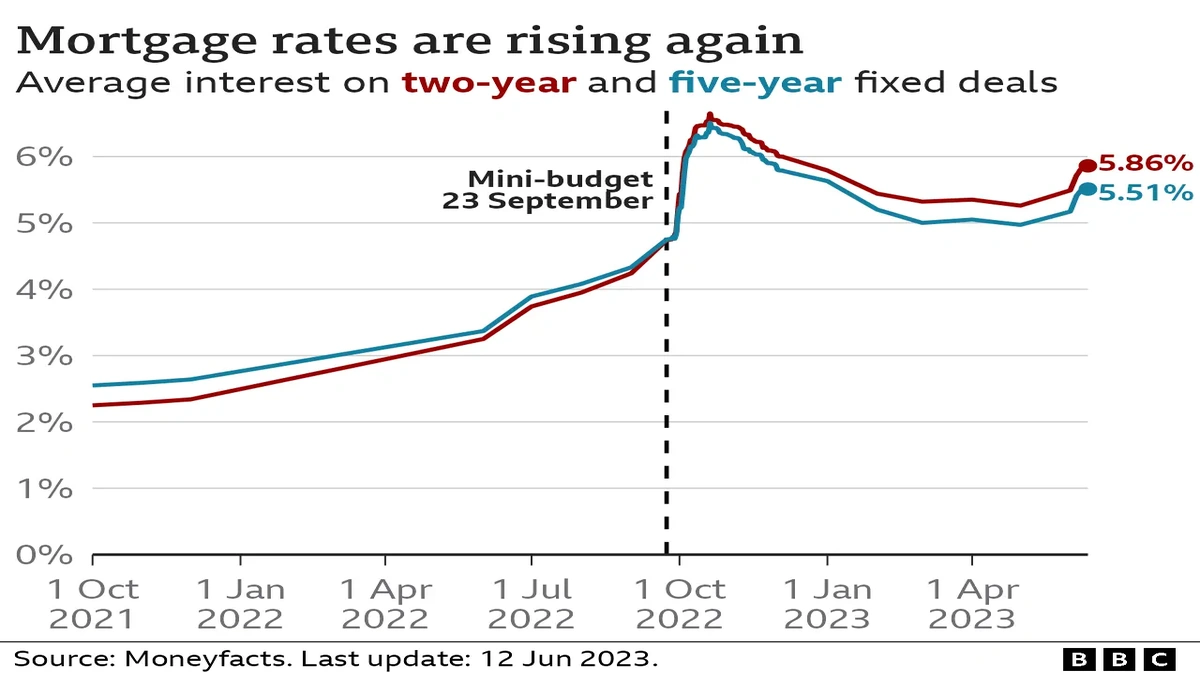
Hey there, ever felt that knot in your stomach when you hear about interest rates changing? Especially when it comes to something as big as your home mortgage? You’re not alone. What’s happening with mortgage refinance rates UK today isn’t just another news headline; it’s a pivotal moment that could genuinely reshape your financial future. And let me tell you, understanding the ‘why’ behind these shifts is far more crucial than just knowing the numbers.
I’ve seen countless people fixate on the immediate percentage, missing the bigger picture. But here’s the thing: in the current economic climate, simply looking at the rate without understanding its context is like trying to navigate a maze blindfolded. We’re talking about more than just numbers; we’re talking about the interplay of global economics, domestic policy, and the relentless pressure of the cost of living . So, let’s peel back the layers, shall we? Let’s dive deep into why these rates are what they are, what they truly mean for you, and how you can navigate this complex landscape.
Deconstructing Today’s Mortgage Refinance Rates UK | What’s Really Happening?
To truly grasp the current state of mortgage refinance rates UK today , we have to start with the big kahuna: the Bank of England base rate . Think of it as the gravitational pull for all other lending rates in the UK. When the Bank of England decides to hike or cut this rate, it sends ripples through the entire financial system, directly impacting what mortgage lenders offer you. Recently, we’ve seen a period of significant volatility, largely a response to stubborn inflation and broader global economic uncertainties.
But it’s not just the base rate. Lenders also factor in their own costs of borrowing, market competition, and their appetite for risk. This is why you see such a range of offerings, from attractive fixed-rate mortgages that promise stability for a set period, to variable rates that can fluctuate with the market. What’s fascinating right now is the dance between these two. For a while, fixed rates were climbing rapidly, making variable rates seem more appealing to some. Now, we’re seeing a recalibration, creating a dynamic environment where timing your remortgaging decision is absolutely critical.
The underlying truth is that the UK economy is still finding its footing post-pandemic and amidst a significant cost of living crisis . This creates a cautious environment for lenders and borrowers alike. Understanding these macro-economic pressures helps you see beyond the headline rate and anticipate future movements, rather than just reacting to them. It’s about being proactive, not just responsive.
Beyond the Headlines | The Hidden Factors Driving Mortgage Market Trends
While the Bank of England’s decisions are front and centre, there are several other, often overlooked, factors quietly shaping the mortgage market trends . One significant element is the fierce competition among mortgage lenders UK . Banks and building societies are constantly vying for your business, leading to periods where they might absorb some of their own costs to offer more attractive deals, hoping to gain market share. This competition can sometimes create windows of opportunity for borrowers, even when the base rate is trending upwards.
Then there’s the broader sentiment in the financial markets. Investor confidence, global bond yields, and even geopolitical events can indirectly influence the funding costs for lenders, which in turn affects the rates they can offer. It’s a complex web, and sometimes, what seems like a small tremor in a faraway market can create a noticeable ripple in your potential mortgage deal . This is where expertise comes in – understanding how these seemingly disparate elements coalesce to form the specific interest rates you see today.
Another crucial, yet often underestimated, factor is the sheer volume of people looking to remortgage. With a significant number of fixed-rate deals expiring in the coming year, demand for new mortgages could surge. This demand, coupled with the lenders’ capacity and risk appetite, will undoubtedly play a role in shaping the competitiveness of future offers. The remortgaging process itself can be a daunting one, and understanding the market forces at play can give you an edge.
Is Now The Right Time? Navigating Your Refinance Decision
So, with all this talk of rates, base rates, and market dynamics, the burning question remains: is now the right time to lock in a new mortgage deal ? The honest answer is, it depends on your personal circumstances and risk tolerance. There’s no one-size-fits-all magic bullet, but there are definitely smart ways to approach this decision.
If you’re currently on a standard variable rate (SVR), or if your existing fixed-rate deal is due to expire soon, exploring your options for remortgaging is almost always a good idea. Even a small reduction in your interest rate can translate into significant savings over the life of your loan. But don’t just jump at the lowest advertised rate. Dig deeper. Look at the fees involved, the early repayment charges, and the flexibility of the product.
Consider your personal financial future . Do you anticipate your income changing? Are you planning any major life events? These factors should weigh heavily on your decision between a stable fixed-rate mortgage or a potentially cheaper, but more volatile, variable rate. It’s about aligning the mortgage product with your life plan. For those exploring different financing avenues, sometimes understanding the nuances of how loans are structured can be key. You might find some insights by looking at how some businesses secure their funding, for example, through asecured loan, which can offer different terms and conditions depending on the collateral provided.
The Path Forward | Securing Your Best Mortgage Deal
Navigating the current landscape of mortgage refinance rates UK today requires a strategic approach. My top piece of advice? Don’t go it alone. The market is too complex, and the potential savings (or costs) are too significant to rely solely on comparison websites. Engaging with an independent mortgage advisor is invaluable. They have access to a wider range of deals, including those not advertised directly to the public, and can offer tailored advice based on your unique situation. They can cut through the jargon and explain the true cost of each option.
Secondly, start early. If your current deal is expiring in the next six months, begin your research and conversations now. Many lenders will allow you to lock in a rate several months in advance, giving you a safety net if rates start to climb. If you’re pondering various financial strategies, it might be worth exploring how different types of funding work, such as understanding the landscape ofbest small business loan startups USAto grasp diverse lending models, though obviously for a different context.
Finally, always read the fine print. Understand all fees, charges, and terms before committing. A slightly higher rate with lower fees might be better than a seemingly lower rate with hefty upfront costs. For authoritative information on the broader economic context and official rates, it’s always wise to consult official sources like theBank of Englandwebsite. And for unbiased guidance on all things money, including mortgages, the UK government-backedMoneyHelperservice is an excellent resource.
Your Burning Questions About UK Mortgage Refinance Rates, Answered
What exactly is remortgaging?
Remortgaging is simply the process of switching your mortgage from one lender to another, or moving to a new deal with your existing lender. People typically remortgage to get a better interest rate, release equity, or change their mortgage terms.
How does the Bank of England base rate impact my mortgage?
The Bank of England base rate is the interest rate at which the Bank of England lends money to other banks. Changes to this rate directly influence the interest rates that commercial banks offer for their mortgages, especially for variable rate products and new fixed-rate deals.
Should I choose a fixed or variable rate deal today?
This is a personal decision. Fixed-rate deals offer stability, meaning your payments won’t change for a set period. Variable rates can be cheaper initially but may increase or decrease, making your payments unpredictable. Your choice should align with your risk tolerance and financial outlook.
What documents do I need for the remortgaging process?
Typically, you’ll need proof of identity and address, income verification (payslips, tax returns), bank statements, and details of your current mortgage. Your lender or broker will provide a comprehensive list.
Can I refinance if I have bad credit?
It can be more challenging, but it’s not impossible. Specialist lenders may offer options, though often at higher interest rates. It’s crucial to seek advice from a broker who can assess your situation and find suitable products.
How often do mortgage rates change in the UK?
Mortgage rates, particularly variable ones, can change frequently, sometimes even daily, in response to market conditions, lender competition, and changes to the Bank of England base rate. Fixed rates are set for a specific term but are subject to market fluctuations before you lock them in.
So, there you have it. The world of mortgage refinance rates UK today is far from straightforward. It’s a dynamic, ever-evolving landscape influenced by a myriad of factors, both local and global. But by understanding the ‘why’ behind the numbers, by being proactive, and by seeking expert advice, you can transform what might seem like a daunting challenge into a powerful opportunity. Your home is likely your biggest asset, and managing its financing wisely is one of the smartest moves you can make for your long-term financial future . Don’t just react; understand, plan, and act with confidence.