
 By loan etmthml5game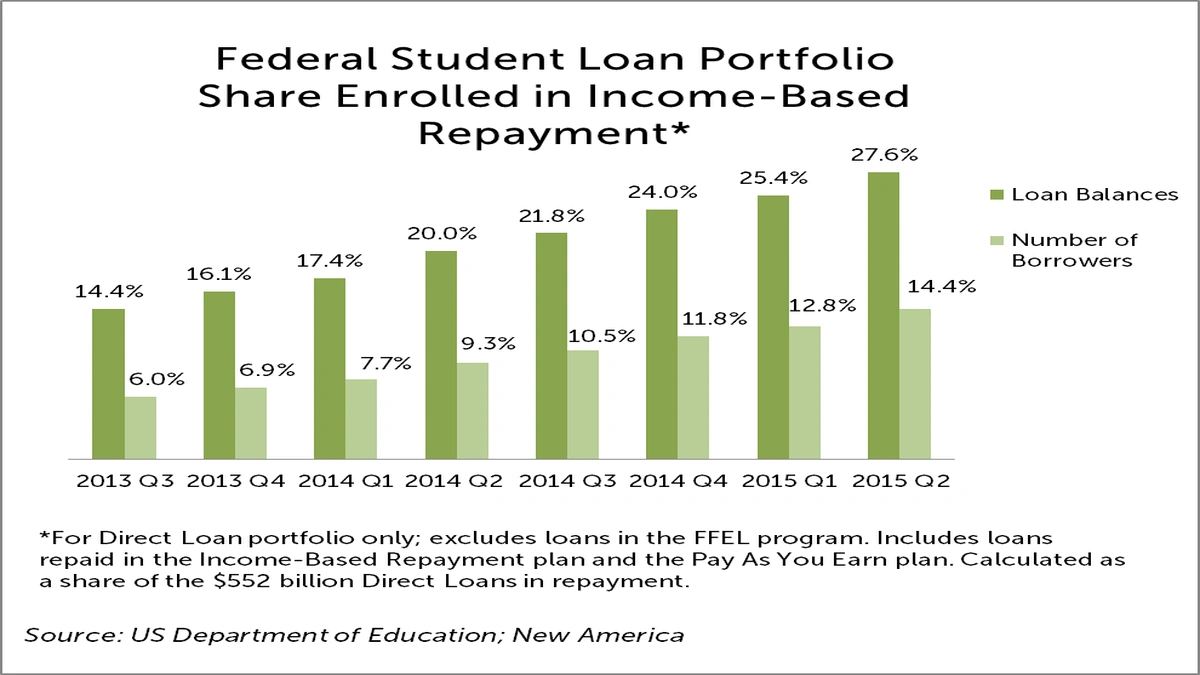
Let’s be honest, carrying a heavy burden of student loan debt in the USA can feel like a relentless weight, a constant hum of anxiety in the background of your life. You’ve worked hard, got your degree, and now the monthly statements arrive, often demanding more than you feel you can comfortably afford. It’s a common story, and if it’s yours, you’re not alone. But what if I told you there’s a powerful tool designed specifically to ease that burden, a way to make your payments manageable based on what you actually earn, not just what you owe? That’s where income driven repayment (IDR) plans come in, and trust me, understanding them is crucial for anyone with federal student loans.
I initially thought these plans were just another layer of government bureaucracy, complex and hard to access. But then I started digging, helping friends and family navigate their own student loan nightmares, and I realized something profound: IDR isn’t just a program; it’s a financial safety net, a pathway to potential student loan forgiveness, and a vital piece of the puzzle for managing your student loan debt long-term. My goal here isn’t just to tell you what IDR is, but to walk you through how it works, why it matters, and what you need to do to potentially transform your financial future. Consider me your knowledgeable friend, sitting across the coffee table, ready to demystify this for you.
What Exactly Are Income-Driven Repayment (IDR) Plans, Anyway?
At its core, an income driven repayment plan is precisely what it sounds like: your monthly payment is directly tied to your income and family size. Instead of a fixed payment based solely on your loan balance and interest rate, IDR plans calculate a payment amount that’s typically a percentage of your discretionary income. This means if your income is lower, your payments are lower. Simple, right? Well, the concept is simple, but the details, as always, can get a bit nuanced.
These plans were created to prevent borrowers from defaulting on their federal student loans when they experience financial hardship or have low incomes relative to their debt. They offer a crucial alternative to the standard 10-year repayment plan, which often leaves new graduates or those in lower-paying fields struggling. There are a few different flavors of IDR plans – Income-Based Repayment (IBR), Pay As You Earn (PAYE), Income-Contingent Repayment (ICR), and the newest, most talked-about kid on the block: the Saving on a Valuable Education (SAVE) Plan. Each has its own specific rules, but they all share the common goal of making your monthly payment affordable.
Unpacking the Big Players | A Quick Guide to IDR Options (and the Star, the SAVE Plan)
Before the SAVE Plan, most people looked at IBR or PAYE. IBR generally caps payments at 10-15% of discretionary income, while PAYE is usually 10%. ICR, the oldest plan, can be a bit more expensive for some. But let’s be honest, the one everyone’s buzzing about right now, and for good reason, is theSAVE Plan(formerly REPAYE). This plan is a game-changer for many.
Here’s why the SAVE Plan is such a big deal, especially for those with student loans USA:
- Lower Payments: For undergraduate loans, your payment can be as low as 5% of your discretionary income (down from 10% on most other IDR plans). Graduate loans remain at 10%, but if you have both, it’s a weighted average.
- Interest Subsidy: This is huge. If your calculated monthly payment doesn’t cover the full amount of interest that accrues each month, the government covers the remaining interest. This means your loan balance won’t grow due to unpaid interest, even if your payments are $0. This addresses a major pain point with older IDR plans, where interest capitalization could lead to ballooning balances.
- Expanded Discretionary Income Definition: The SAVE Plan calculates discretionary income based on 225% of the federal poverty line, up from 150%. This means more of your income is protected, resulting in a lower discretionary income and, consequently, lower payments for most borrowers.
It’s important to understand that while all IDR plans aim to help, the SAVE Plan offers the most generous terms for many, especially those with lower incomes or smaller loan balances. But remember, what’s best for you depends on your specific situation, including the type of loans you have and when you took them out. This is where the ‘how’ really starts to matter.
The Nitty-Gritty | How to Apply and What to Expect
Applying for an income driven repayment plan might seem daunting, but it’s more straightforward than you might think. You’ll primarily interact with StudentAid.gov and your loan servicer. Here’s a simplified breakdown of the steps:
- Gather Your Documents: You’ll need proof of income (like your most recent federal tax return or pay stubs) and information about your family size.
- Apply Online: The easiest way is to apply directly on StudentAid.gov. You can choose to have the Department of Education pull your tax information directly from the IRS, which simplifies things immensely.
- Choose Your Plan: The application will guide you through which IDR plans you qualify for based on your loan types and income. For many, the SAVE Plan will be the most beneficial.
- Wait for Confirmation: Your loan servicer will process your application and notify you of your new monthly payment amount.
- Annual Recertification: This is critical! Every year, you’ll need to recertify your income and family size. If you don’t, your payments could revert to the standard plan amount, and any unpaid interest might capitalize, meaning it gets added to your principal balance. Mark your calendar, set reminders – this is not something to forget.
A common mistake I see people make is assuming they apply once and they’re done. Nope! Annual recertification is key to maintaining your affordable payments and progressing towards loan forgiveness. If you find yourself facing financial hardship, don’t wait until recertification time; you can request a recalculation of your payments at any point if your income significantly decreases.
The Promise of Forgiveness | What Happens After Years of Payments?
One of the most appealing aspects of income driven repayment is the potential for student loan forgiveness. After making qualifying payments for a specified period – typically 20 or 25 years, depending on the plan and whether you have undergraduate or graduate loans – any remaining balance on your federal student loans can be forgiven. And with the SAVE Plan, some borrowers with smaller original loan balances could see forgiveness even sooner.
Now, a quick but important aside: this is different from Public Service Loan Forgiveness (PSLF), which is for those working in qualifying public service jobs and can lead to forgiveness after just 10 years of payments. While both offer forgiveness, IDR forgiveness is based solely on time in repayment, regardless of your employer (though the tax implications used to be different, that’s currently paused until 2025 for federal loans).
It’s a long road, 20 or 25 years, I know. But imagine the peace of mind knowing that there’s an end in sight, and your payments are always designed to be affordable. This long-term perspective is vital when considering your overallfederal vs. private student loansstrategy.
Is IDR Right for You? Weighing the Pros and Cons
So, is an income driven repayment plan the magic bullet for your student loans USA? It could be, but it’s not without its trade-offs. Let’s look at it objectively:
Pros |
- Affordable Payments: This is the big one. Your payments adjust to your income, providing a safety net during times of low earnings.
- Prevention of Default: By making payments manageable, IDR plans significantly reduce your risk of defaulting on your loans, which can have severe consequences for your credit and financial future.
- Potential Forgiveness: The promise of having your remaining balance forgiven after two decades (or less, with SAVE for some) is a huge incentive.
- Interest Benefits: Especially with the SAVE Plan, the interest subsidy can prevent your loan balance from spiraling out of control due to unpaid interest.
Cons |
- Longer Repayment Period: While payments are lower, you’ll likely be paying for a much longer time than the standard 10-year plan. This means more interest accruing over the life of the loan, even if some is subsidized.
- More Interest Paid Overall: Even with lower monthly payments, you might pay more in total interest over the longer repayment term compared to aggressively paying down your loan.
- Complexity: Navigating the different plans, understanding recertification requirements, and keeping track of your payment count can be confusing.
- Tax Implications (Historically): While currently paused, historically, any forgiven amount at the end of the repayment period could be considered taxable income. This is a detail that could impact your future financial planning, including aspects of housing finance, so it’s good to be aware of the historical context even if it’s temporarily suspended.
Ultimately, the decision to enroll in an IDR plan, particularly the SAVE Plan, should be an informed one. It’s a powerful tool for managing student loan debt when your income is low or moderate, but it’s not a one-size-fits-all solution. For some, aggressively paying off debt might be a better path; for others, the security and eventual forgiveness offered by IDR are invaluable.
Frequently Asked Questions About Income-Driven Repayment
What if my income changes after I enroll in an IDR plan?
You can request a recalculation of your monthly payment at any time if your income significantly decreases or your family size changes. Don’t wait for your annual recertification if your financial situation takes a turn for the worse; reach out to your loan servicer immediately.
Can I switch between different IDR plans?
Yes, in many cases, you can switch between IDR plans. However, there can be implications, especially regarding interest capitalization if you switch from certain plans under specific circumstances. It’s always best to consult with your loan servicer or StudentAid.gov to understand the exact consequences of switching.
Do private student loans qualify for income-driven repayment?
No, unfortunately, income driven repayment plans are only available for federal student loans. Private loans have their own terms and conditions, and while some private lenders may offer hardship options, they are not part of the federal IDR program.
What’s the biggest mistake people make with IDR?
The single biggest mistake is failing to recertify your income and family size annually. Missing this deadline can lead to your payments reverting to the standard amount, and any unpaid interest capitalizing, which means your loan balance can increase significantly. Set reminders!
What is interest capitalization and why does it matter?
Interest capitalization occurs when unpaid interest is added to your loan’s principal balance. When interest capitalizes, you then pay interest on a larger principal amount, meaning you pay more over the life of the loan. The SAVE Plan is revolutionary because it prevents this for most borrowers, but it’s a critical factor in other IDR plans and if you leave an IDR plan without paying off your interest.
Navigating income driven repayment student loans USA truly can feel like learning a new language. But armed with this knowledge, you’re no longer just a borrower; you’re an informed participant in your own financial journey. These plans offer genuine relief and a path forward for millions, ensuring that the dream of education doesn’t become a lifelong financial nightmare. Take the time to understand your options, engage with your servicer, and empower yourself to take control of your federal student loans. Your future self will thank you.