
 By loan etmthml5game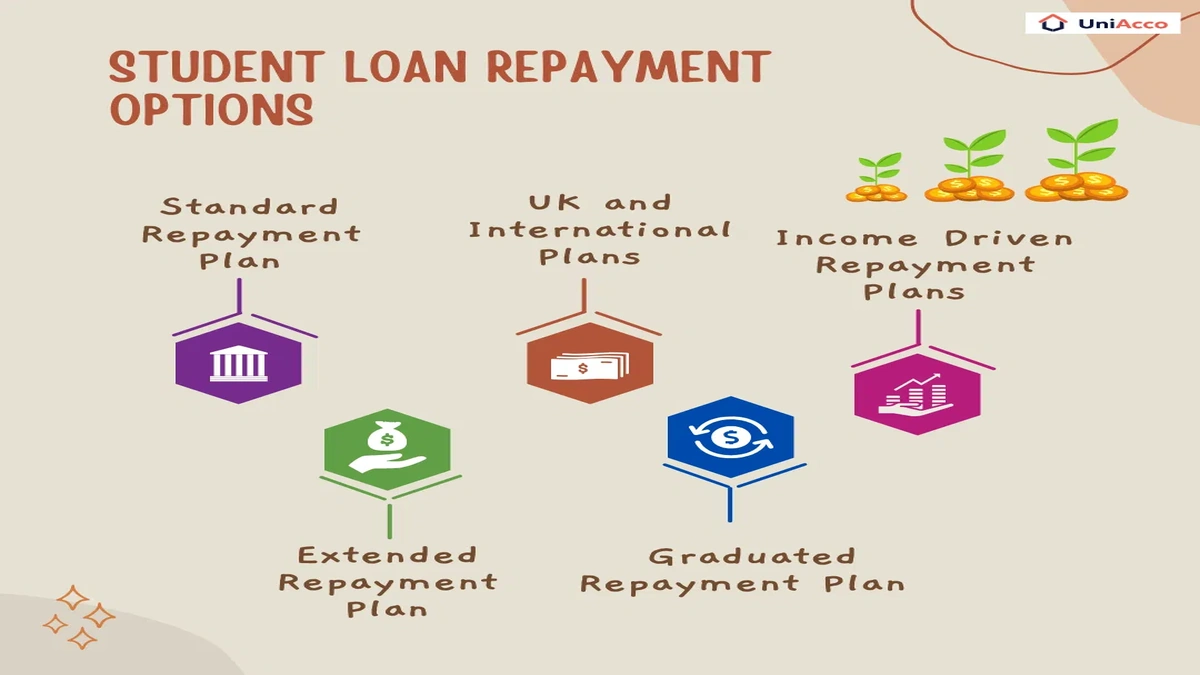
Alright, let’s grab a cuppa and talk about something that probably keeps many of you up at night: yourstudent loan debt UK. Specifically, the tantalizing idea of student loan repayment forgiveness UK eligibility . Sounds like a dream, right? A magical wand waving away years of repayments? Well, it’s not quite magic, but there are indeed scenarios where your student loan balance could be written off. And let me tell you, understanding these isn’t just about reading the small print; it’s about knowing your rights and planning your financial future.
I’ve seen the confusion firsthand, the endless scrolling through official websites, trying to decipher jargon. So, consider this your no-nonsense guide. We’re going to walk through the ‘how’ of it all – how to figure out if you’re eligible, what conditions apply, and what you absolutely need to keep an eye on. Because, let’s be honest, nobody wants to pay back more than they have to, especially when the rules might just be on your side.
Understanding the UK Student Loan System | A Quick Refresher
Before we dive into the nitty-gritty of forgiveness, it’s crucial to understand the beast we’re dealing with. Unlike some other countries (looking at you, USA, with yourinstant personal loan onlineoptions that are a whole different ballgame), the UK’s student loan system is primarilyincome-contingent repayment plans. This means what you repay each month is directly linked to how much you earn, not how much you owe. That’s a fundamental difference, and it’s key to how forgiveness works here.
Most UK students fall under what’s known as Plan 2 loans (for those who started university after 1 September 2012) or Plan 1 (for older loans). There are also Postgraduate Loans, which have their own set of rules. Each plan has different repayment thresholds and, crucially, different timelines for when any remaining debt might be written off. This isn’t just a detail; it’s the detail when it comes to student loan write off UK opportunities.
The government, through the Student Loans Company (SLC), is pretty clear: your loan isn’t a conventional debt in the same way a mortgage or a credit card is. It doesn’t appear on your credit file in the same manner, and it’s only repaid when you’re earning above a certain threshold. What fascinates me is how many people don’t fully grasp this distinction, leading to unnecessary anxiety. Let me rephrase that for clarity: you only repay when you can afford to, and even then, there’s a light at the end of the tunnel.
The Big One | Age and Time-Based Forgiveness
This is where most of you will find your answer regarding student loan repayment forgiveness UK eligibility . The primary mechanism for forgiveness in the UK is time-based. Essentially, after a certain number of years, if you haven’t fully repaid your loan, the remaining balance is wiped clean. Poof! Gone. But the exact timeframe depends on your loan plan:
- Plan 1 Loans: If you started your course before 1 September 2012, your loan is typically written off 25 years after the April you were first due to repay, or when you turn 65, whichever comes first.
- Plan 2 Loans: For those who started after 1 September 2012, the write-off period is longer – 30 years after the April you were first due to repay. This is a significant chunk of time, but for many, it still means a substantial portion of their loan will eventually be forgiven.
- Postgraduate Loans: These are usually written off 30 years after the April you were first due to repay.
Now, here’s the thing: this isn’t automatic until the very end. You still need to make your repayments if you’re earning above theloan repayment thresholds. A common mistake I see people make is assuming they can just ignore it. No, no, no. The system is designed to collect what it can while you’re earning. The forgiveness is for the remaining balance after these periods. So, keep checking your student loan balance check regularly!
Other Avenues for Forgiveness and Write-Offs
While time is the biggest factor, there are a couple of other, less common, scenarios where your loan might be written off:
1. Death or Permanent Disability
This is a somber but important point. If a borrower passes away, their student loan debt is completely written off. It’s not passed on to their estate or family. Similarly, if a borrower becomes permanently unfit for work due to illness or disability, their loan can also be written off. This requires a formal application and evidence, as you’d expect, but it’s a crucial safety net. This is part of the compassionate side of student finance eligibility .
2. Teacher Loan Forgiveness (Historical)
This is largely historical now, but it’s worth mentioning for those with older loans. In the past, certain teaching roles, particularly in shortage subjects or challenging schools, could qualify for partial student loan forgiveness. This scheme has mostly been replaced by other incentives, but if you’re an older teacher, it’s worth checking if you might have fallen under one of these specific, now-closed, programs. Always consult the official Student Loans Company (SLC) guidance for the most up-to-date information on any specific programs.
Keeping Track and Planning Ahead
So, you’ve got a Plan 2 loan, and you’re looking at 30 years. What does that actually mean for you? It means that if you’re a high earner throughout your career, you might pay off your loan in full before the 30 years are up. But if your earnings fluctuate, or you take career breaks, or work part-time, it’s very likely that a portion of your loan will be forgiven. This is precisely why the UK system is often described as a ‘graduate tax’ – you pay a little extra while you’re earning well, and the rest is absorbed by the state.
My advice? Don’t stress too much about paying it off quickly unless you have a specific financial goal that requires it. Focus on building your career, managing your other finances, and let the income-contingent repayment system do its thing. Keep an eye on your student loan interest rates ; while they can seem high, remember that the actual amount you repay is capped by your income, not just the interest accruing. The most important thing is to understand your specific loan type and its repayment terms. Knowing your postgraduate loan repayment terms, for instance, can prevent future surprises.
The Bottom Line | Don’t Panic, But Be Informed
The idea of student loan repayment forgiveness UK eligibility isn’t a myth; it’s a fundamental part of the UK’s student finance system. It’s designed to protect graduates from being burdened by debt they can’t afford to repay, and it ensures that after a reasonable period, everyone gets a clean slate. Your job isn’t to find a secret loophole, but to understand the existing, transparent rules.
So, take a deep breath. Check your loan type, understand your repayment plan, and know that for many, a significant portion of their student loan will eventually be written off. The system is complex, yes, but with a bit of insight, it becomes far less daunting. Stay informed, keep earning, and let the clock tick.
Frequently Asked Questions About UK Student Loan Forgiveness
What happens if I move abroad?
If you move abroad, you are still required to repay your student loan. You must inform the Student Loans Company (SLC) of your new address and contact details. They will then assess your income and set up a repayment plan. The same forgiveness rules (e.g., 30 years for Plan 2) generally still apply.
Can I make voluntary extra repayments?
Yes, you can make voluntary extra repayments at any time. However, whether this is a good idea depends on your individual circumstances. If you’re on a Plan 2 loan and expect a significant portion to be written off anyway, extra payments might not be the most efficient use of your money compared to other investments or debts.
What if I never earn above the repayment threshold?
If your income consistently stays below the repayment threshold for your loan plan, you won’t make any repayments. The loan will still be written off after the specified period (e.g., 25 or 30 years), even if you haven’t paid back a single penny.
How do I check my student loan balance and plan type?
You can check your student loan balance, plan type, and repayment history by logging into your online account on the Student Loans Company (SLC) website. You’ll need your customer reference number and password.
Does student loan forgiveness affect my credit score?
No, student loan forgiveness in the UK does not directly affect your credit score. UK student loans are not typically reported to credit reference agencies in the same way commercial loans are. The write-off is a feature of the loan agreement, not a default or adverse event.
Is there any specific ‘student loan forgiveness program UK’ I should apply for?
Unlike some countries, the UK doesn’t have specific application-based ‘forgiveness programs’ for the general student loan population. The forgiveness is primarily time-based and automatic after the specified period, or due to death/disability. Any specific historical schemes for professions like teaching are now largely closed or replaced.