
 By loan etmthml5game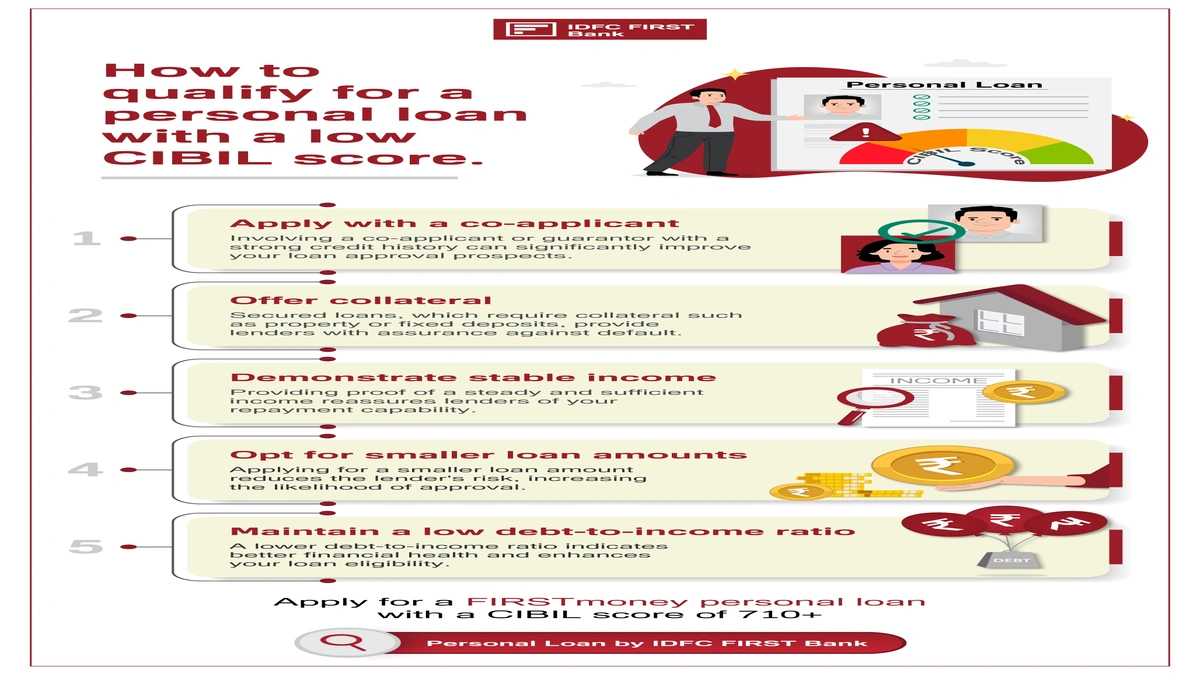
Let’s be honest, the thought of needing a personal loan when your income isn’t exactly soaring can feel like staring up at Mount Everest. You’ve got bills, maybe an unexpected expense, or perhaps a dream you want to fund, but that nagging doubt creeps in: “Will any bank even look at my application?” I’ve seen countless people in India grapple with this exact dilemma, and the good news? It’s not an impossible feat. In fact, there are legitimate, smart ways to navigate this. My goal here is to cut through the noise, give you the real talk, and guide you, step-by-step, on how to get a personal loan even with a low income . This isn’t just about applying; it’s about applying smartly.
Understanding the Landscape | Why Low Income Can Be a Hurdle (But Not a Wall)

Here’s the thing: from a lender’s perspective, a personal loan is an unsecured loan. This means there’s no collateral like a house or a car to back it up. So, their primary assessment hinges on your ability to repay. And traditionally, a higher income signals a higher repayment capacity . This is where the challenge for those with a modest salary often lies. Banks and Non-Banking Financial Companies (NBFCs) typically have minimum income criteria. If you’re a salaried individual, they often look for a minimum monthly salary, sometimes starting from ₹15,000 to ₹25,000, depending on the city and the lender. For self-employed individuals, it’s usually based on your annual income and business stability.
But don’t let that discourage you. This is where understanding the nuances of low income personal loan eligibility becomes crucial. It’s not just about the number on your payslip; it’s about the bigger picture of your financial health. Many people make the mistake of assuming a low salary automatically disqualifies them. While it certainly adds a layer of complexity, it doesn’t slam the door shut. What lenders are truly looking for is reliability, and that can be demonstrated in multiple ways, even if you’re seeking a personal loan for salaried low income individuals.
The “How-To” | Smart Strategies for Securing Your Loan
Alright, let’s dive into the actionable strategies. This is where we turn those hurdles into stepping stones. Think of me as your financial co-pilot, guiding you through the best routes.
Strategy 1 | The Power of a Strong CIBIL Score (Even with Low Income)
Your CIBIL score is your financial report card, and it speaks volumes about your creditworthiness. Even if your income is low, a high CIBIL score (typically 750+) can significantly boost your chances. It tells lenders you’re responsible with credit, you pay your dues on time, and you’re a reliable borrower. So, if you’re wondering about a personal loan without CIBIL score for low income , it’s generally much harder. While some niche lenders might exist, they often come with higher interest rates or stricter terms. Focus on building and maintaining a good score by:
- Paying all your EMIs and credit card bills on time.
- Keeping your credit utilization low (don’t max out your credit cards).
- Avoiding multiple loan applications in a short period.
This foundational step is often overlooked, but it’s gold.
Strategy 2 | Exploring Non-Traditional Lenders & Small Personal Loans
The banking landscape in India has evolved. Beyond the traditional banks, you have a plethora of NBFCs and fintech companies that are often more flexible, especially when it comes to small personal loans for low income applicants. These digital lenders, often accessible via mobile apps, might have slightly different eligibility criteria and can sometimes offer instant personal loan for low income individuals, albeit for smaller amounts and potentially at slightly higher interest rates. It’s crucial to research these platforms thoroughly, ensuring they are RBI-approved and have transparent terms. Do not fall for unregistered lenders promising easy money.
Strategy 3 | The Role of a Guarantor or Collateral
This is a game-changer if you can manage it. If your income alone isn’t sufficient, a co-applicant or a guarantor with a stable income and good credit history can significantly strengthen your loan application . Their income and creditworthiness essentially act as a safety net for the lender. Similarly, while personal loans are unsecured, sometimes offering a form of collateral, even if it’s not a direct requirement, can open doors. For instance, if you’re exploring options for a secured loan in the future, understanding concepts like amortgage loancan be insightful, as it highlights how collateral reduces lender risk. This isn’t about turning your personal loan into a secured one, but rather understanding the mechanisms that reassure lenders.
Strategy 4 | Highlighting Repayment Capacity, Not Just Income
Even with a low salary, you might have excellent repayment capacity . How? Perhaps you have minimal existing EMIs, or you have a side hustle that brings in additional, albeit informal, income. When you approach a lender, be prepared to present a clear picture of your finances. Show them your bank statements, highlight consistent savings, and explain your budget. This is especially relevant for a loan for individuals with low salary who manage their finances meticulously. A well-maintained bank account showing regular credits and debits, without frequent bounces or overdrafts, can speak volumes about your financial discipline.
Your Loan Application Checklist | Don’t Miss a Step
Once you’ve identified potential lenders and chosen your strategy, the next step is the actual application. This is where preparation meets opportunity. Here’s what you’ll typically need:
- Identity Proof: PAN Card, Aadhaar Card, Passport, Driving License.
- Address Proof: Aadhaar Card, Passport, Utility Bills (electricity, gas).
- Income Proof (Salaried): Latest 3-6 months’ salary slips, Form 16, Bank statements (showing salary credits) for the last 6 months.
- Income Proof (Self-Employed): Bank statements for the last 6-12 months, ITR filings, business proof (if applicable).
- Employment Proof: Appointment letter, employee ID card.
Ensure all your documents are up-to-date and easily accessible. A smooth, complete application process reflects positively on you and speeds up approval. Remember, when looking for the right financial institutions to partner with, consider not just interest rates but also processing fees, tenure options, and customer service. Sometimes, a slightly higher rate from a transparent, reputable lender is better than a low rate from a dubious one. I often advise people to compare offerings, much like one would compare services from variousmortgage lenders– due diligence is key.
Common Pitfalls to Avoid When Seeking Financial Assistance
Navigating the world of loans, especially with a modest income, can be tricky. It’s easy to get swayed by promises that sound too good to be true. Let me tell you, they usually are. A common mistake I see people make is falling for unregistered lenders or apps that offer immediate loans without proper documentation or CIBIL checks. These often come with exorbitant interest rates, hidden charges, and aggressive recovery tactics. Always verify the lender’s credibility. Check if they are registered with the Reserve Bank of India (RBI). The RBI has strict guidelines for lending, and understanding these can protect you from predatory practices. For more information, you can always refer to the officialRBI websitefor consumer awareness.
Another pitfall is not reading the fine print. Always understand the interest rate (fixed vs. floating), processing fees, pre-payment charges, and the exact EMI schedule. Don’t be afraid to ask questions. This is your money, your commitment. Being thorough here builds immense trustworthiness in your financial journey.
FAQs | Your Burning Questions Answered
Can I get a personal loan if my salary is below ₹15,000?
While many traditional banks have higher minimum salary requirements, some NBFCs and fintech lenders might offer personal loans for salaries as low as ₹10,000-₹12,000, especially for shorter tenures and smaller amounts. Your CIBIL score and existing financial commitments will play a significant role.
What documents are most important for a low income personal loan?
Your bank statements (showing consistent salary credits and financial discipline) and a good CIBIL score are often the most critical, alongside your identity and address proof. These help lenders assess your repayment capacity beyond just the salary figure.
Are there specific personal loans for self-employed individuals with low income?
Yes, many lenders offer specific products for self-employed individuals. They usually assess your average monthly bank balance, ITR filings, and business vintage instead of a fixed salary. Demonstrating consistent cash flow is key.
What is the typical interest rate for a personal loan with low income?
Interest rates can vary widely, typically starting from 10-11% for prime borrowers and going up to 25-30% or even higher for riskier profiles, including those with lower incomes or less-than-perfect CIBIL scores. Comparing multiple offers is essential.
Can a guarantor help me get a personal loan with low income?
Absolutely. A guarantor with a stable income and strong credit history significantly reduces the risk for the lender, making them more likely to approve your loan application . This is one of the most effective ways to bridge the income gap.
Should I consider a secured loan instead of a personal loan if my income is low?
If you have assets like gold, property, or fixed deposits, a secured loan (like a gold loan or a loan against property/FD) is often easier to obtain with a lower income and usually comes with much lower interest rates compared to an unsecured personal loan . It’s a viable alternative to explore for financial assistance for low income individuals.
So, there you have it. Getting a personal loan with a very low income in India isn’t a myth; it’s a challenge that can be overcome with the right knowledge and strategy. It requires diligence, understanding your financial standing, and knowing where to look. Don’t let your income define your access to essential financial tools. Arm yourself with this guide, approach lenders confidently, and remember, every financial journey starts with a single, well-informed step. You’ve got this!