
 By loan etmthml5game
Ever found yourself scrolling through loan options, seeing terms like “secured” and “unsecured,” and just felt a knot in your stomach? You’re not alone. It’s not just about getting money; it’s about making a financial decision that could impact your life for years. And let’s be honest, the jargon can be intimidating. But here’s the thing: understanding the core difference between a secured vs unsecured personal loan comparison isn’t just academic; it’s absolutely crucial for navigating the lending landscape in India and making the smartest choice for your wallet.
What fascinates me is how often people jump into borrowing without fully grasping the ‘why’ behind these categories. It’s not just a technicality; it’s a fundamental split in how lenders view you, your risk, and ultimately, the terms they offer. Think of it as peeking behind the curtain of the banking world. Once you understand the underlying logic, you’ll be empowered to choose not just a loan, but the best personal loan for your specific needs, whether it’s for a sudden medical expense, a home renovation, or even instant gold loan online approval for quick funds.
The Collateral Conundrum | What Lenders Really Want
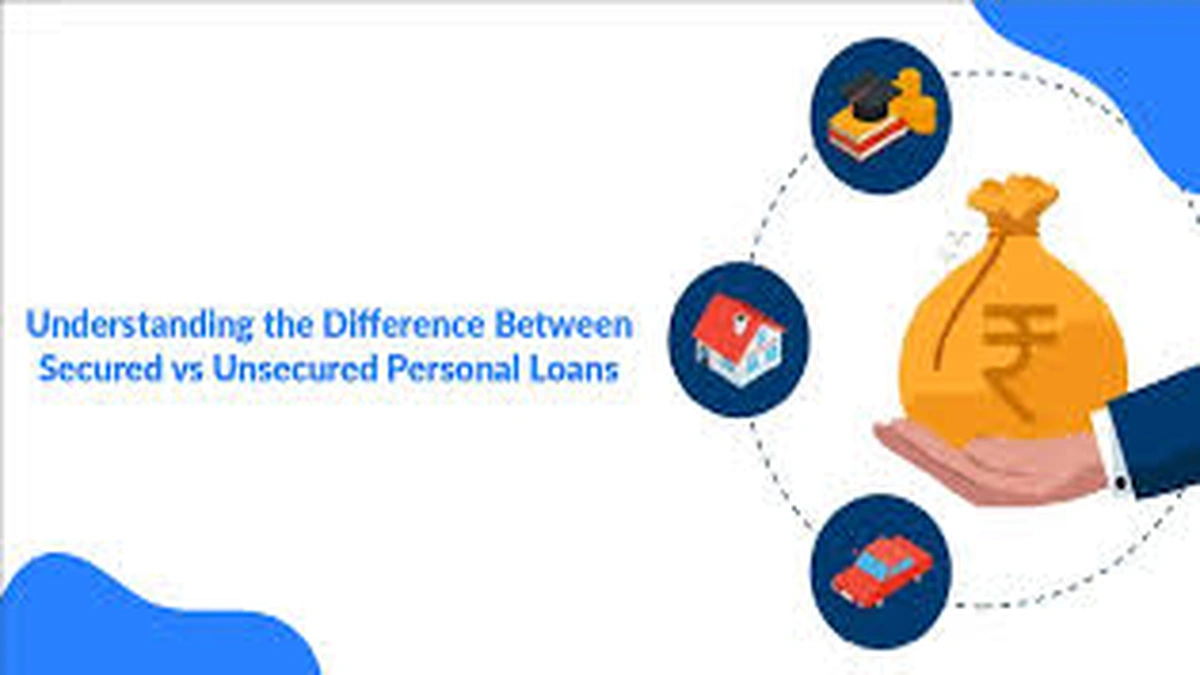
At its heart, the difference boils down to one word: collateral. A secured personal loan is backed by an asset you own – something of value that the lender can claim if you fail to repay. This could be your car, property, or even gold. Lenders love collateral because it significantly reduces their risk. It’s their safety net, their ‘Plan B’.
Now, an unsecured personal loan ? That’s the opposite. No collateral required. This means the lender is taking a much bigger gamble on your ability to repay. They’re essentially saying, “We trust you.” And because of that trust, or rather, the lack of a tangible safety net, the stakes are higher for both parties. This is where your credit score impact becomes paramount, as it’s the primary indicator of your trustworthiness.
Let me rephrase that for clarity: with collateral-based loans , the asset acts as your promise. Without it, your financial history and current stability become your promise. This fundamental difference ripples through every aspect of the loan, from interest rates to approval criteria. For a deeper dive into what collateral truly means in lending, you might find this Investopedia article on collateral quite insightful.
Interest Rates, Eligibility & Risk | Decoding the Lender’s Mindset
So, why does this matter to you, the borrower? Well, it impacts everything, starting with interest rates personal loan . Generally, secured loans tend to come with lower interest rates. Why? Because the lender’s risk is lower. If you default, they can recover their money by selling your collateral. It’s a straightforward equation for them. This makes secured loans often a more affordable option in the long run, especially for larger amounts.
Unsecured loans, on the other hand, typically have higher interest rates. This isn’t because lenders are trying to be greedy; it’s a direct reflection of the increased risk assessment lenders undertake. Without collateral, they rely heavily on your financial profile – your income, employment stability, and most importantly, your credit score. A higher interest rate compensates them for that elevated risk. It’s the price of convenience, of borrowing without pledging an asset.
When it comes to loan eligibility criteria , you’ll notice a distinct pattern. For secured loans, while your credit score is important, the value and type of collateral often play a significant role. For instance, a gold loan per gram rate directly influences how much you can borrow against your gold. Unsecured loans, however, scrutinize your credit history, debt-to-income ratio, and employment status much more intensely. A stellar credit score (think 750+) is almost non-negotiable for competitive unsecured personal loan rates in India.
I initially thought this was straightforward, but then I realized the nuance. It’s not just about having collateral; it’s about what collateral you have and its market value. Similarly, for unsecured loans, it’s not just about a good credit score, but a consistent history of responsible loan repayment that truly opens doors. This is a critical factor in your overall financial planning .
The Pros and Cons | Weighing Your Options in Real Life
Let’s talk about the practical implications for you in India. We all face unexpected expenses, and knowing your borrowing options is key to sound financial planning .
Secured Personal Loans | The Steady Anchor
- Pros:
- Lower Interest Rates: Often more affordable, leading to better financial decisions.
- Higher Loan Amounts: You can typically borrow more, especially against high-value assets like property.
- Easier Approval: Even with a less-than-perfect credit score, collateral can significantly boost your chances. This is a big deal for many in India who might be new to credit or have faced past financial setbacks.
- Longer Repayment Terms: Spreading out payments can make them more manageable, easing your debt management.
- Cons:
- Risk of Asset Loss: The biggest drawback. If you can’t repay, you lose your collateral. This is a serious consideration for loan security.
- Slower Process: Valuation of collateral can add time to the loan application process.
- Requires Assets: You need something valuable to pledge. Not everyone has readily available assets they’re willing to risk.
Unsecured Personal Loans | The Flexible Friend
- Pros:
- No Collateral Required: You don’t put your assets at risk. This offers immense financial flexibility.
- Faster Approval & Disbursement: Often quicker, as there’s no asset valuation involved. Perfect for urgent needs like a medical emergency.
- Simpler Application: Generally less paperwork, focusing more on your income and credit profile.
- Cons:
- Higher Interest Rates: The trade-off for no collateral.
- Stricter Eligibility: A good credit score and stable income are usually mandatory. Lenders are looking for low-risk profiles, especially for a personal loan India.
- Lower Loan Amounts: Typically, the maximum loan amount is less compared to secured options, especially if your credit profile isn’t top-tier.
- Shorter Repayment Terms: Can lead to higher EMIs, potentially straining your monthly budget.
A common mistake I see people make is assuming that because an unsecured loan is “easier” to get (no collateral!), it’s always the better choice. But that convenience comes at a cost, often in the form of higher interest. It’s about balancing your immediate needs with your long-term financial decisions .
Making Your Move | Which Loan is Right for Your Indian Context?
So, how do you decide between a secured vs unsecured personal loan comparison ? It’s not a one-size-fits-all answer. Your choice will depend heavily on your personal circumstances, your immediate needs, and your risk tolerance.
If you have valuable assets you’re comfortable pledging and you want the lowest possible interest rates and potentially higher loan amounts, a secured loan (like a gold loan or a loan against property) could be your best bet. It’s a strategic move to leverage your existing wealth.
However, if you need funds quickly, don’t have suitable collateral, or simply prefer not to put your assets at risk, an unsecured personal loan can be a lifesaver. Just be prepared for higher interest rates personal loan and ensure your credit score is in good shape. This is particularly relevant for those in India needing quick access to funds for emergencies without tying up their family assets.
Ultimately, it comes down to a careful evaluation of the pros and cons against your own financial situation. Do you value lower interest and higher amounts, even with the risk of collateral? Or do you prioritize speed and no collateral risk, even if it means higher costs? This is a crucial part of effective debt management .
FAQs on Secured vs. Unsecured Personal Loans
What is the main difference between secured and unsecured personal loans?
The primary difference lies in collateral. Secured loans require an asset (like property or gold) as security, reducing the lender’s risk and often resulting in lower interest rates. Unsecured loans do not require collateral but typically come with higher interest rates due to increased risk for the lender. Your credit score impact is more significant for unsecured loans.
Can I get an unsecured personal loan with a low credit score in India?
It’s challenging to get a competitive unsecured personal loan India with a low credit score. Lenders rely heavily on your credit history for unsecured loans. While some niche lenders or NBFCs might offer options, they will likely come with very high interest rates. Improving your credit score before applying is always advisable for better loan eligibility criteria .
What kind of collateral can I use for a secured personal loan?
Common collateral for secured personal loans in India includes gold, fixed deposits (FDs), shares, mutual funds, and sometimes property or vehicles. The type and value of collateral directly influence the loan amount and terms. This makes collateral-based loans a viable option for many.
Which type of loan is faster to approve?
Unsecured personal loans are generally faster to approve and disburse because they don’t involve the time-consuming process of collateral valuation. Secured loans, especially those against property, can take longer due to legal checks and valuation processes, impacting the overall loan application process time.
Are personal loans good for debt consolidation?
Both secured and unsecured personal loans can be used for debt consolidation. A secured loan might offer better interest rates if you have suitable collateral, potentially saving you money. An unsecured loan offers convenience. The choice depends on your existing debts, credit profile, and the financial flexibility you need for your debt management strategy.
What happens if I default on a secured personal loan?
If you default on a secured personal loan, the lender has the legal right to seize and sell your collateral to recover the outstanding loan amount. This is the inherent risk of opting for loan security and why careful financial planning and understanding your loan repayment capacity are essential.
Choosing between a secured and unsecured personal loan isn’t just about money; it’s about understanding the mechanics of risk, trust, and your own financial comfort zone. Don’t just pick the easiest option; pick the smartest one. Because in the world of borrowing, knowing the ‘why’ truly empowers your ‘how’.