 By loan etmthml5game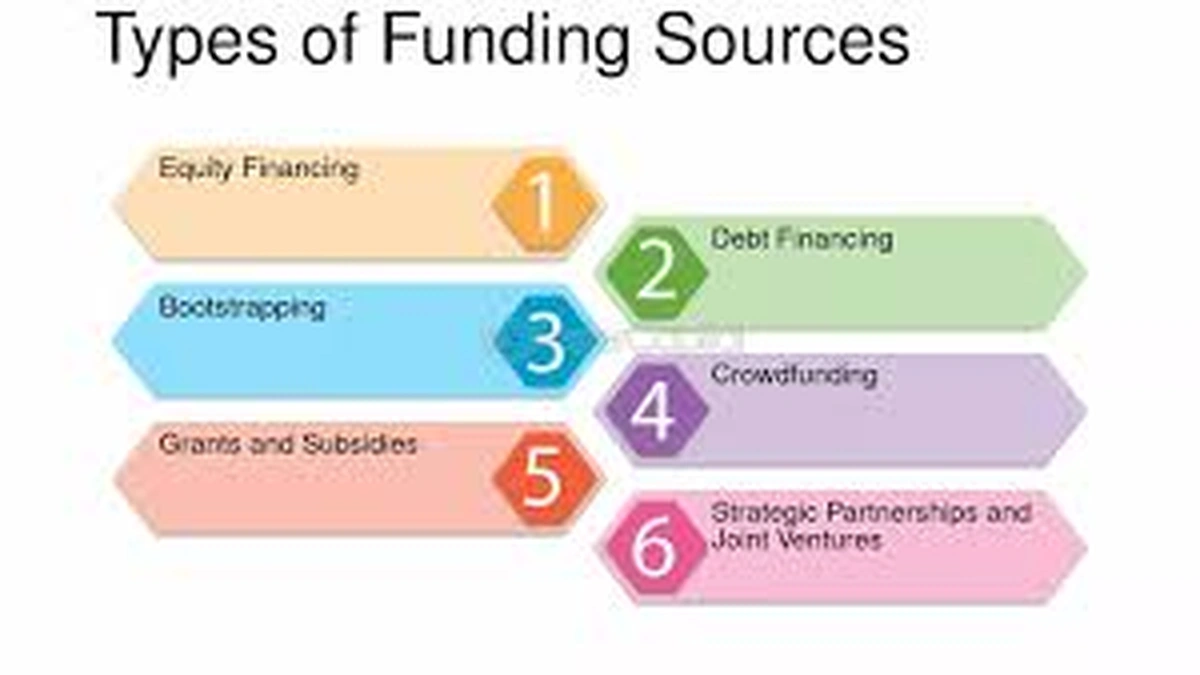
Alright, let’s be honest. The dream of launching a startup in Europe is exhilarating, isn’t it? The innovation, the diverse markets, the sheer potential! But then reality hits: where do you find the money? For small business Europe, especially those just starting out, the funding landscape can feel like a dense, fog-laden forest. You hear whispers of venture capitalists, grants, and angel investors, but how do you actually get your hands on that crucial capital?
Here’s the thing: I’ve seen countless brilliant ideas wither on the vine not because they lacked merit, but because their founders didn’t know how to navigate the complex world of startup funding options. My goal today isn’t just to list funding sources; it’s to be your knowledgeable friend, guiding you through the ‘how’ of securing capital, explaining why certain options might be better for you, and demystifying the process. We’ll cut through the jargon and get down to what truly matters for your business.
This isn’t about magic formulas, but rather a strategic, step-by-step approach to understanding and securing the European funding your venture deserves. Let’s get started, shall we?
Demystifying the Early-Stage Funding Landscape for European Startups
Before we dive into specific types of funding, it’s crucial to understand the ecosystem. Europe, with its diverse economies and varying levels of risk appetite, presents a fascinating challenge and opportunity. What works in Berlin might be different from what flies in Barcelona or Dublin. But one constant remains: you need to be prepared.
A common mistake I see entrepreneurs make is jumping straight to the biggest, flashiest funding rounds without understanding the foundational steps. Think of it like building a house – you wouldn’t start with the roof, right? You need a solid foundation. For most small business Europe ventures, especially those in their infancy, this means exploring options that don’t always involve giving away huge chunks of equity immediately.
Bootstrapping | The Ultimate Self-Reliance Test
Let’s talk about bootstrapping. It’s not glamorous, but it’s powerful. This is where you fund your business with your own savings, initial revenue, or minimal external capital. It forces incredible discipline, frugality, and a laser focus on profitability from day one. Why does this matter? Because showing investors you can generate revenue and grow, even slowly, with limited resources is a massive signal of your team’s capability and your business’s viability. Many successful European startups started by bootstrapping for as long as possible.
It’s also a fantastic way to validate your product or service without external pressure. You own 100% of your company, make all the decisions, and learn invaluable lessons about managing cash flow. So, before you even think about approaching external sources, ask yourself: what can I do with what I already have?
Exploring Core Startup Funding Options in Europe
Once you’ve squeezed every drop out of bootstrapping, or if your business model demands significant upfront capital, it’s time to look outwards. The good news? Europe offers a rich tapestry of startup funding options.
1. Grants and EU Programs | The ‘Free Money’ Myth (and Reality)
Ah, grants! The holy grail for many. While not exactly ‘free money’ – they often come with stringent reporting requirements and specific objectives – EU grants for startups and national programs can be a game-changer because they don’t require you to give up equity. Programs like Horizon Europe, COSME, and various regional development funds offer substantial capital for innovative projects, R&D, and scaling businesses with a clear societal impact.
The trick here is alignment. You need to meticulously research programs whose objectives perfectly match your business’s mission and technology. The application process is often rigorous, demanding detailed proposals, strong business cases, and a clear demonstration of innovation. But when successful, it’s non-dilutive capital that can propel your growth without sacrificing ownership. It’s an often-overlooked avenue for innovation funding Europe.
For example, the European Innovation Council (EIC) Accelerator offers grants and equity investment for deep tech and disruptive innovations. It’s competitive, yes, but incredibly valuable. My advice? Don’t underestimate the time commitment for these applications. Start early, read every guideline, and perhaps even seek professional grant writers if your budget allows.
2. Angel Investors and Seed Funding Rounds | The Smart Money
When you’re ready to take on external equity, angel investors are often the first port of call after friends and family. These are high-net-worth individuals who invest their own money, often bringing not just capital but also invaluable experience and networks. They’re typically looking for early-stage companies with high growth potential, and they’re usually happy to participate in seed funding rounds.
Finding them often involves tapping into angel investment networks – both formal groups and informal connections made through incubators, accelerators, and industry events. The key is to find angels who understand your sector and can offer more than just cash. Their ‘smart money’ can be transformative.
The conversation with an angel investor is different from a bank loan officer. They’re investing in you as much as your idea. Be authentic, show your passion, and clearly articulate your vision and how their investment will lead to a significant return. This is where your personal pitch and storytelling truly shine.
3. Venture Capital (VC) | Fueling Hyper-Growth
Once you’ve demonstrated traction and achieved some initial milestones, European venture capital firms come into play. VCs manage funds from institutional investors and look for companies with immense scalability and the potential for a massive exit (acquisition or IPO). They typically invest larger sums than angels and participate in later seed rounds, Series A, B, and beyond.
Approaching VCs requires a polished pitch deck, a robust business plan, a clear understanding of your market, and a compelling growth strategy. They’re looking for evidence that you can achieve a 10x return on their investment within a few years. It’s a demanding process, but for startup funding options focused on hyper-growth, VCs are often essential.
Do your homework. Research VC firms that specialize in your industry or stage of development. Don’t waste your time pitching a consumer app to a deep tech VC. And remember, a VC investment isn’t just money; it’s a partnership that will involve board seats and significant oversight. Choose your partners wisely.
4. Debt Financing for SMEs | The Less Dilutive Path
Equity isn’t the only way. For many small business Europe ventures, particularly those with predictable revenue streams or tangible assets, debt financing can be a less dilutive alternative to equity. This includes traditional bank loans, lines of credit, and even revenue-based financing.
While securing a traditional bank loan for an early-stage, pre-revenue startup can be challenging without collateral, there are increasingly more specialized lenders focusing on SMEs. Some government-backed schemes also provide guarantees that make banks more willing to lend. Understanding the nuances of financing options, even those for personal needs, can sometimes inform your business decisions. For example, knowing how to use ahousing loan eligibility calculatormight give you an idea of personal asset leverage, though business loans operate differently.
For established businesses looking for quick capital, exploring options like afast approval business loan UKcould be relevant, even if you’re in Europe, as the principles of rapid assessment and short-term capital needs are universal. Just be mindful of interest rates and repayment terms.
5. Crowdfunding Platforms Europe | Engaging Your Community
Finally, let’s not forget crowdfunding. This has exploded in popularity and offers a unique way to raise capital directly from a large number of individuals, often your future customers. There are different types:
- Reward-based crowdfunding: Think Kickstarter or Indiegogo. You offer products or experiences in exchange for pledges. Great for product validation and building a community.
- Equity crowdfunding: Platforms like Seedrs or Crowdcube allow you to sell small equity stakes in your company to a large number of retail investors. This is a fantastic option for startup funding options that want to engage their early adopters as shareholders.
- Debt crowdfunding: Less common for startups, but involves lending money to a business with an expectation of repayment with interest.
The beauty of crowdfunding platforms Europe is not just the capital, but the marketing and validation it provides. A successful campaign can generate significant buzz and prove market demand before you even launch fully. It’s a powerful tool for equity funding without going through traditional institutional investors.
The Entrepreneur’s Mindset | Beyond the Money
Securing startup funding options isn’t just about finding the money; it’s about building relationships, demonstrating resilience, and continuously refining your vision. What fascinates me about successful entrepreneurs is their ability to pivot, learn, and adapt. The journey will be filled with rejections, but each ‘no’ is an opportunity to refine your pitch, strengthen your business model, and understand what investors are truly looking for.
Remember, investors are looking for a return, but they’re also looking for a founder they can trust, someone with grit and a clear vision. Your passion, your team, and your ability to execute are often as important as your financial projections. So, focus on building an exceptional product or service, nurturing your team, and telling your story compellingly. The money, I promise you, will follow.
FAQ | Your Burning Questions About European Startup Funding Answered
What’s the best type of funding for an early-stage startup in Europe?
For early-stage startups, a combination of bootstrapping, non-dilutive grants (like those from EU programs), and angel investment is often ideal. Grants provide capital without giving up equity, while angels bring experience and connections along with their investment. The “best” option truly depends on your specific industry, growth potential, and capital needs.
How do I make my startup attractive to venture capital firms?
To attract venture capital, you need to demonstrate significant market opportunity, a clear path to scalability, a strong management team, and proven traction (users, revenue, partnerships). VCs look for companies with the potential for massive returns, so show them your ambitious vision and the data to back it up.
Are there specific funding programs for tech startups in Europe?
Absolutely! Europe has a strong focus on innovation. Programs like Horizon Europe, EIC Accelerator, and national tech funds are specifically designed to support deep tech, AI, biotech, and other high-growth technology ventures. Many innovation funding Europe initiatives target these sectors.
What is the typical timeline for securing startup funding?
Securing startup funding options can vary wildly. Grants can take 6-18 months due to rigorous application processes. Angel and seed rounds might close in 3-6 months. Larger equity funding rounds (Series A and beyond) can take anywhere from 6-12 months, sometimes even longer. It’s rarely a quick process, so plan well in advance.
Can a small business get a loan in Europe without collateral?
It’s challenging but not impossible. Traditional banks often require collateral, especially for new businesses. However, some government-backed loan schemes offer guarantees that reduce the risk for lenders, making it easier for SMEs to secure debt financing without significant personal collateral. Exploring alternative lenders and fintech platforms might also offer solutions.
What’s the difference between seed funding and Series A?
Seed funding is the earliest formal stage of investment, usually from angels, accelerators, or micro-VCs, used to develop a product, build a team, and gain initial traction. Series A funding is typically a larger round from venture capital firms, aimed at scaling a validated business model, expanding market reach, and accelerating growth after a company has demonstrated significant progress and product-market fit.